By Anastasios Mitropoulos
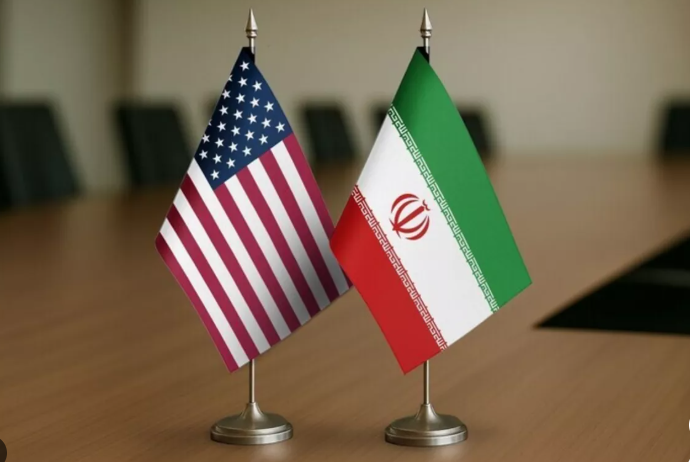
After years of heightened tensions and stalled negotiations, Washington and Tehran have once again found themselves at the diplomatic table. The latest understanding between the United States and Iran may not entirely rewrite the past, but it signals a cautious step toward stability in a region fraught with geopolitical complexities. Amid shifting global alliances and the pressing need for energy and security cooperation, the revival of a structured dialogue offers new insights into how both nations envision their roles in shaping the future of the Middle East.
Washington and Tehran Chart a New Diplomatic Course
The renewed agreement between the United States and Iran is being hailed by some as a pivotal turning point in bilateral engagement, while others view it as a measured recalibration rather than a full-scale breakthrough. Central to the deal are mutual concessions designed to de-escalate tensions—particularly around nuclear oversight, regional security coordination, and limited sanctions relief. U.S. officials have emphasized that the latest arrangement differs from previous accords by emphasizing transparency mechanisms and phased implementation, ensuring accountability on both sides before broader economic measures are relaxed.
In Tehran, officials have framed the development as a diplomatic success that acknowledges Iran’s right to peaceful nuclear energy while easing economic pressures that have crippled key sectors. The Iranian public, weary after years of sanctions and currency instability, views the deal through a pragmatic lens—hoping it opens pathways for gradual economic recovery rather than sudden transformation. While skepticism remains strong among hardline factions in both nations, the overall tone suggests a cautious willingness to engage rather than provoke.
From Washington’s perspective, the renewed talks come at a critical juncture for US foreign policy. The administration has faced increasing pressure to reassert American leadership through diplomacy, especially after a period of global uncertainty marked by shifting alliances in Asia and Europe. Restoring structured communication with Tehran not only curtails the risk of nuclear escalation but also strengthens U.S. leverage in negotiations involving Gulf allies and global energy stability. The approach underscores a broader shift: diplomacy as the preferred instrument of power, even when dealing with long-standing adversaries.
Analysts Weigh the Impact of the Renewed US‑Iran Deal
Policy analysts are quick to note that the new deal represents less a full resolution and more a framework for sustained engagement. By establishing gradual milestones tied to compliance and verification, both nations have limited the risks of abrupt policy reversals seen in earlier agreements. This “incremental trust-building” model allows for flexibility in implementation while maintaining a shared commitment to dialogue. Experts caution, however, that domestic politics in both countries could still derail progress if the agreement is seen as politically costly rather than strategically beneficial.
Economically, the implications could be far-reaching. Limited sanctions relief may provide Iran with modest breathing room to stabilize its economy, attract cautious foreign investment, and improve regional trade routes. For the United States, this shift could help moderate global energy markets by indirectly increasing future oil supply flexibility, a crucial factor amid ongoing global inflation concerns. Still, the economic dividends will depend on sustained compliance and the confidence of international observers that Tehran’s nuclear activities remain peaceful.
Strategically, the deal has already begun reshaping regional discussions. Neighboring Gulf states, long wary of an unchecked Iran, are closely monitoring how Washington’s engagement unfolds. Some analysts believe that resumed diplomacy could encourage regional powers to pursue their own bilateral confidence-building measures with Tehran, potentially easing historic animosities. Yet critics argue the U.S. risks empowering Iran’s regional influence if enforcement and verification mechanisms prove inadequate. The balance between cautious optimism and vigilant oversight will likely define the next phase of this evolving diplomatic story.
The latest U.S.-Iran diplomatic agreement does not mark the end of decades of mistrust, but it may signal the beginning of a more pragmatic phase in their relationship. Both sides appear aware that sustainable progress requires patience, transparency, and steady implementation—qualities often tested by political shifts at home and abroad. As the world watches, this renewed dialogue could redefine how Washington and Tehran manage conflict and cooperation in a region that has long embodied both.