By Konstantinos Tsiakalos, Co-Founder – International Sales Director – NATO Coordinator at NGConsultans AS (NGC)
The contemporary landscape of military training demands an analytical re-evaluation of Computer-Assisted Exercises (CAX). The integration of innovative developments is essential to enhance the realism and effectiveness of these training modalities. This article outlines a methodological approach to address several key areas for improvement, focusing on the integrated role of Battle Captains, AI-driven tools, structured simulations, Response Cell reform, advanced simulation capabilities, and logistics training.
Integrated Role of Battle Captains
Central to the success of CAX is the role of Battle Captains, whose responsibilities will expand as the complexity of simulations grows. It is imperative that these leaders acquire advanced knowledge of simulation models, enabling them to navigate and control intricate training scenarios effectively. Developing tailored training programs for Battle Captains can bridge the gap between tactical decision-making and technological proficiency, ensuring they can leverage simulations to inform strategic choices during exercises.
AI-Driven Tools for Scenario Development
The reduction of preparation time is critical for enhancing CAX efficiency. Implementing AI-driven tools for scenario development can streamline the preparatory phase, allowing for rapid creation and adjustment of scenarios based on real-world data and predictive modeling. This innovation not only expedites the preparation process but also enhances the adaptability of exercises to emerging threats and operational requirements.
Structured Simulation with and without Pre-Determined Outcomes
For Computer Assisted Exercises (CAX) to achieve maximum effectiveness, it is crucial that simulations accurately emulate operational conditions while enabling comprehensive analytical debriefing. Implementing structured simulations with predetermined outcomes permits multiple iterations of the same scenario, allowing participants to explore various courses of action systematically. This approach fosters a robust learning environment where decision-making processes and operational outcomes can be critically assessed.
Additionally, incorporating “free” runs of the simulations is essential for achieving specific training objectives, such as enhancing rapid response capabilities among Staff Officers under the pressure of unexpected events. By utilizing both structured simulations and free runs, we can expand the operational mindset of Staff personnel, encourage innovative thinking, and produce measurable outcomes that reflect their true capabilities. This dual approach not only enhances adaptability but also prepares military personnel for the complexities of modern warfare.
Reforming Response Cells
Reforming Response Cells is essential to propagate realism in CAX. These cells serve as pivotal components in simulating the operational environment and require personnel trained in dynamic response methodologies. Implementing comprehensive training programs that emphasize real-time situational analysis and decision-making will enhance the functionality of Response Cells, ensuring they can accurately reflect the complexities of modern warfare.
Advanced Simulation Capabilities
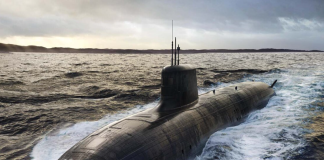
Incorporating advanced capabilities within simulation models is vital to address current and future military challenges. Features such as cyber warfare, hybrid threats, and space operations must be systematically integrated into training exercises. Also, we have to re-estimate the importance of underwater operations that dramatically affect modern warfare. We have to develop an extended framework within the scenarios of CAX as well as to build new capabilities for realistic representations of the underwater operations in simulation. The development of these capabilities could be methodically approached through research and collaboration with technology developers, leading to robust training scenarios that reflect multifaceted operational environments.
Emphasis on Logistics Training
Lastly, an increased focus on realistic logistics training is necessary to prepare personnel for the complexities of contemporary operations. By simulating logistical challenges within training exercises, military personnel can better understand supply chain dynamics and resource allocation, resulting in enhanced operational readiness.
In summary, the modernization of Computer-Assisted Exercises requires a methodological approach that embraces innovative developments in training practices and technology. It is essential to distinguish CAX from traditional Command Post Exercises (CPX) and War Games, as these formats often lack the technological integration and dynamic execution that CAX offers. By prioritizing CAX over CPX and War Games, NATO can create more immersive and effective training environments tailored to the complexities of current warfare. By focusing on the integrated roles of leadership, AI efficiency, structured simulations, responsive training methodologies, advanced capabilities, and logistics, NATO can enhance its CAX frameworks, ultimately improving the effectiveness and preparedness of its forces for future operational challenges.