
Space is a dynamic and rapidly evolving domain that has become critical to the Alliance’s deterrence and defence. A growing number of satellite launches, the expansion of large commercial constellations, and the accumulation of space debris are placing new demands on how space activity is monitored and managed.
NATO is enhancing its ability to monitor, assess and respond to events in orbit that could affect Allied security. The NATO Communications and Information Agency (NCIA) plays a central role in this effort by enabling interoperable space domain awareness across the Alliance.

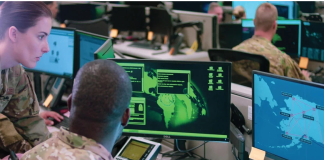
NCIA develops the digital infrastructure, analytical tools, and interoperability standards that allow space-related information, alerts and assessments to be shared rapidly across national and Alliance boundaries. These capabilities directly support NATO’s Space Operations Centres (SpOCs); the national and Alliance-level hubs responsible for monitoring and analyzing activity in the space domain.
SpOCs track both routine and irregular space launches worldwide, monitor objects re-entering Earth’s orbit, and assess potential risks to satellites and other critical infrastructure, contributing essential data and alerts across NATO’s space-domain network, to maintain a shared and coherent understanding of orbital activity.
In 2020, the North Atlantic Council (NAC) established NATO’s own SpOC at Allied Air Command in Ramstein, Germany, strengthening the Alliance’s ability to coordinate space operations and improve shared situational awareness.
Through its Space Technology Adoption and Resilience (STAR) team, NCIA provides the technical tools that SpOCs use to conduct their monitoring and assessments, including dashboards and analytical tools, server infrastructure, connectivity solutions, and automation services. This work is conducted within the NATO’s Federated Mission Network architecture (FMN) which provides the framework for trusted exchanges across NATO, its nations and partners.
 To ensure readiness beyond peacetime, NCIA STAR’s capabilities are regularly tested during major multinational exercises such as such as Coalition Warrior Interoperability eXercise (CWIX), Steadfast Duel, and Global Sentinel (led by U.S. Space Force). These exercises help NATO and its partners validate resilience, improve coordination, and prepare for potential crises in the space domain.