The Ministry of Defence of Ukraine, along with other components of the Ukrainian Defence Forces and NATO commands, are actively engaged in updating guidelines for the identification and treatment of infections caused by combat injuries. This issue has become particularly urgent in the context of intense combat operations, where antibiotics are heavily used, and the evacuation and diagnosis of the wounded are complicated.
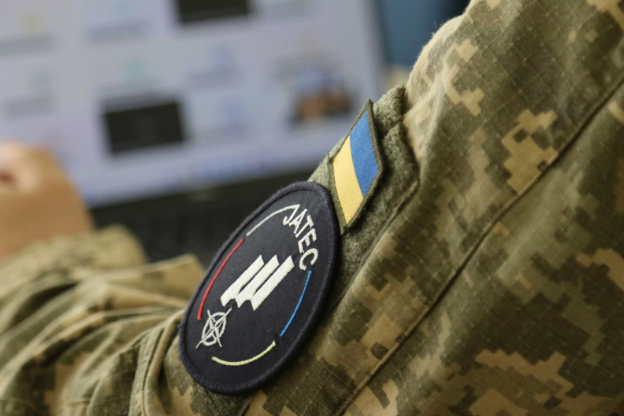
Specifically, the NATO-Ukraine Joint Analysis, Training, and Education Centre (JATEC) and the NATO Centre of Excellence for Military Medicine held an expert online workshop to discuss the challenges related to antimicrobial resistance and strengthening infection prevention and control.
Medical representatives from military hospitals and medical units of the Armed Forces of Ukraine, as well as from the United Kingdom, France, the United States, the Netherlands, Germany, Portugal, Greece, Romania, Canada, and Lithuania, participated in the event.
The main focus of the meeting was on the management of war wound infections and the development of practical measures to combat antimicrobial resistance and improve infection prevention and control both in Ukraine and NATO countries.
The outcomes of this meeting are a significant step towards achieving medical interoperability with NATO. They also lay the foundation for future initiatives aimed at enhancing international cooperation in this field.
Colonel Valerii Vyshnivskyi,
JATEC Director of Programme Implementation
Participants from Ukraine, NATO member and NATO partner countries analysed Ukraine’s experience, developed treatment process maps for combat injuries, identified key risks, available resources, and opportunities for scaling these resources.
Captain Jeff Ricks M.D., Chief of the Lesson Learned and Innovation Branch at the NATO Centre of Excellence for Military Medicine, highlighted the importance of such knowledge and experience exchange.
Integrated civil and military efforts to address antimicrobial resistance challenges and infection prevention and control measures in Ukraine will improve the quality of care to the casualties of war, decrease the global impact of the antimicrobial threat, and provide insight to improve readiness of the Alliance.
Captain Jeff Ricks M.D.,
NATO Centre of Excellence for Military Medicine
The outcomes of this meeting are expected to contribute to achieving medical interoperability with NATO, set strategic guidelines for both Ukraine and NATO, and serve as the foundation for further initiatives to strengthen medical resilience in armed conflicts.